
Style & Personal Image
Build a wardrobe around your identity and everyday life.
Explore the course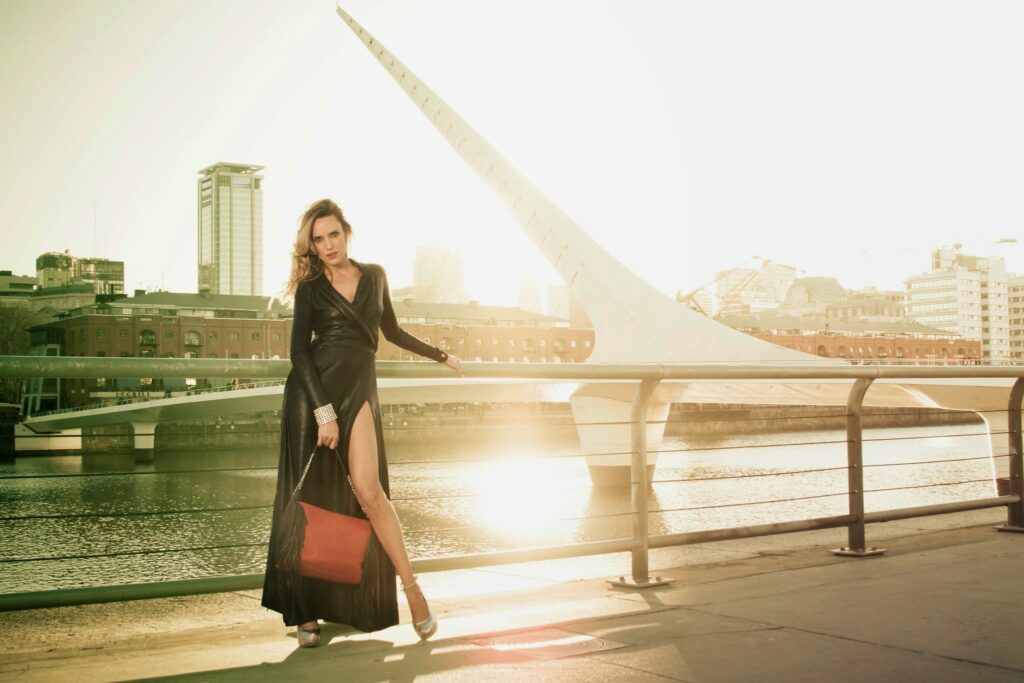
Build a wardrobe around your identity and everyday life.
A free introductory Sol Academy course with eight lessons, activities and a personal project. Enrolment lets you save your progress and request a certificate after completing the lessons and the assessment.
What’s included
- Your starting point
- Putting outfits together
- Style in context
- Your personal project
Prepared by the Sol Academy editorial team. The certificate records completion of an introductory, non-accredited course.
Your starting point
01Your style and your schedule+
What you’ll learn
Personal style means choosing and combining clothes around your preferences, activities and circumstances. Look at what you actually do during the week to build a wardrobe you feel comfortable wearing.
An example
If you alternate meetings and walking, start with pieces that work with different shoes or layers. One outfit can serve more than one setting.
Practical activity
Describe three common situations in your week. For each, note a practical need, how you want to feel and a piece that already works for you.
Check your understanding
What should you establish first?
- Your activities and practical needs
- The most popular trend
- A universal shopping list
See the explanation
Your activities and practical needs. Revisit the lesson and explain your choice in your own words.
02Using references without copying+
What you’ll learn
Notice what draws you to a reference: its colour, proportions or mood. Lighting and styling influence editorial photographs, so start with the element that interests you.
An example
You could take the idea of pairing a structured jacket with a simple base without buying the same labels or accessories.
Practical activity
Collect five references. Write what interests you in each and try one idea with your clothes. Save a photo and note what you noticed.
Check your understanding
What is a useful way to work with a reference?
- Copy every item
- Identify one idea you can adapt
- Compare your body to the image
See the explanation
Identify one idea you can adapt. Revisit the lesson and explain your choice in your own words.
Putting outfits together
03Colour and contrast+
What you’ll learn
A personal palette can make choices easier. Contrast depends on the colours, textures and areas they occupy. Try combinations in different light to see how they change.
An example
A bright accessory can accent a calm outfit. Similar colours can gain depth from different textures or finishes.
Practical activity
Choose a base outfit and create one version with low contrast and one with an accent. Decide when you would wear each.
Check your understanding
What can give an outfit visual interest?
- Only bright colours
- Colours and textures
- Only well-known brands
See the explanation
Colours and textures. Revisit the lesson and explain your choice in your own words.
04Shape, movement and comfort+
What you’ll learn
Notice how clothes behave when you sit, walk and raise your arms. Movement tells you more about fit than a still photograph.
An example
A jacket may look good while standing and feel restrictive at work. Try it in the activity you intend to wear it for.
Practical activity
Try three outfits and do movements typical of your day. Write down which fit best and what you would ask a tailor to adjust.
Check your understanding
What should you do in a fitting?
- Judge the outfit from the front only
- Check how it moves and feels in use
- Always choose a smaller size
See the explanation
Check how it moves and feels in use. Revisit the lesson and explain your choice in your own words.
Style in context
05Organise before you buy+
What you’ll learn
A quick inventory can distinguish everyday pieces, occasional items and clothes that need attention. Look at what each piece does and where you have gaps or duplicates.
An example
An outfit for an event can have a place even if you rarely wear it. Keep it separate from the pieces that carry you through the week.
Practical activity
Divide part of your wardrobe into three groups. Make five outfits with the pieces you use. Write a list of gaps before shopping.
Check your understanding
What can an inventory reveal?
- Gaps and possibilities in what you own
- A need to replace everything
- A fixed number of items you must own
See the explanation
Gaps and possibilities in what you own. Revisit the lesson and explain your choice in your own words.
06Buying and caring for clothes+
What you’ll learn
A purchase involves taste, budget, maintenance and ways to combine the piece. Check fabric, construction and care instructions against your routine.
An example
A piece that requires care you cannot manage may see little use. A repair may solve the same need.
Practical activity
Review a possible purchase for use, combinations, care and cost. Compare it with something you own or could repair.
Check your understanding
What should you check before buying?
- The price alone
- How you would use and care for the item and how it is made
- The fabric name alone
See the explanation
How you would use and care for the item and how it is made. Revisit the lesson and explain your choice in your own words.
Your personal project
07Dressing to communicate+
What you’ll learn
Consider what you want to communicate and where you will be. An interview, an outdoor event and a working day call for different choices.
An example
For a recording, check how fabrics look and whether their movement or sound distracts from your message. Comfort helps you focus on the conversation.
Practical activity
Choose an occasion, assemble a complete outfit and try moving or making a short recording. Note one strength and one adjustment.
Check your understanding
What should work together?
- Image, intention and context
- One identical look for every occasion
- An imitation of another person
See the explanation
Image, intention and context. Revisit the lesson and explain your choice in your own words.
08Final project: your style map+
What you’ll learn
Bring your activities, references, outfits and buying criteria together in a document you can revisit as your needs change.
An example
A useful map could include photos of six outfits, a flexible palette, a list of repairs and three buying criteria.
Practical activity
Save the map in a folder. Explain how each outfit fits a real situation, complete the course self-check and set a date to review it.
Check your understanding
What does the final project show?
- A fixed identity
- Well-reasoned style decisions
- A purchase you must make
See the explanation
Well-reasoned style decisions. Revisit the lesson and explain your choice in your own words.
Check what you learned.
Complete all eight lessons and answer five questions. Review the course material and try again as needed.
Sign in and enrol to record your progress.