Communication · Editorial guide
From recording to article: how to edit an interview without losing its meaning
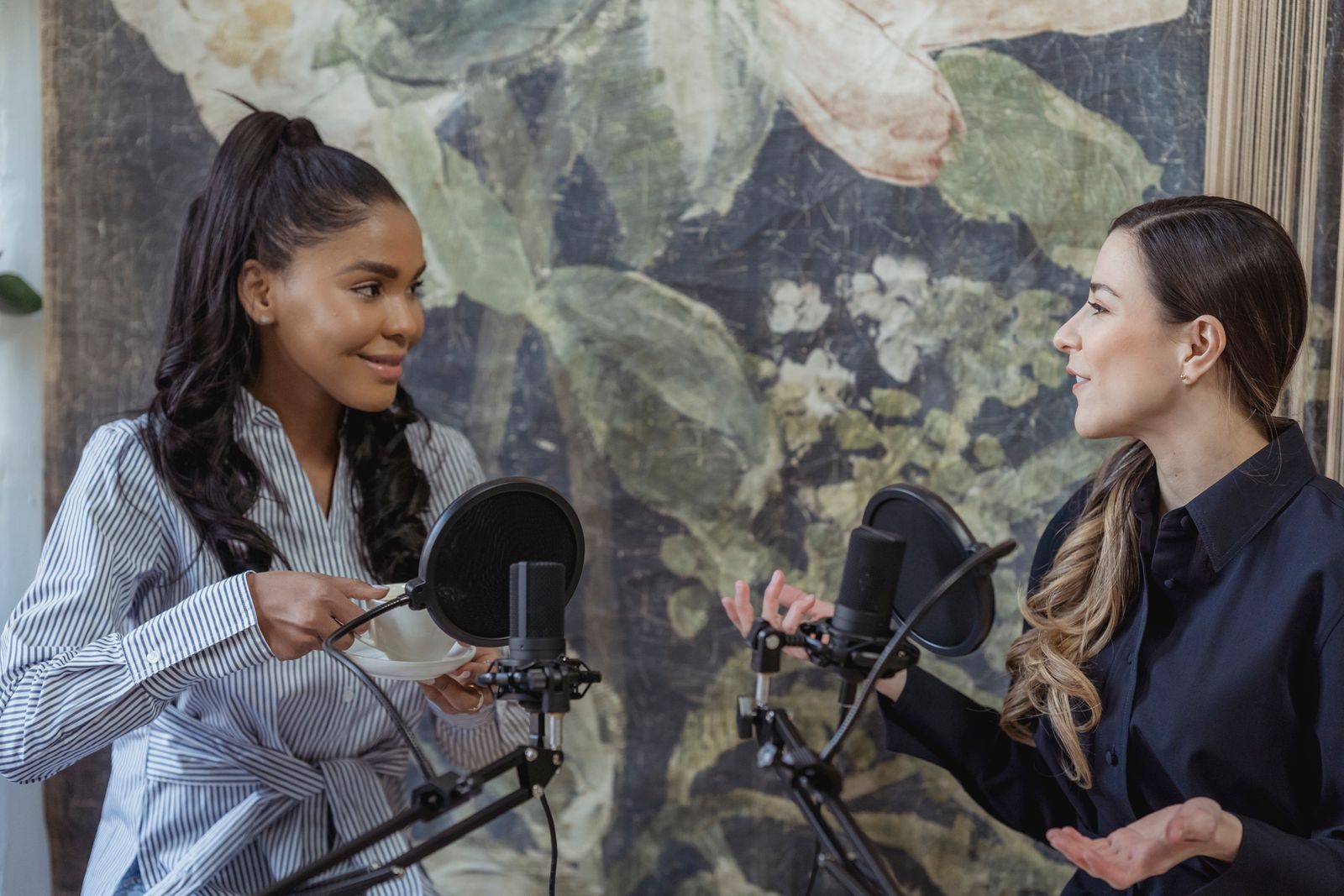
After recording a conversation, it is tempting to choose the line that would make the strongest headline. Listen to the question that prompted it and to anything the speaker explained afterwards. Sometimes a short answer takes on a different meaning when separated from an example, a date or a qualification. An editing sheet can help you keep those connections.
Mark three kinds of material
On the first listen, record the timestamp of each passage that interests you. Separate quotations you want to reproduce word for word from ideas you will paraphrase and facts that need checking. If someone mentions a date or figure, save the passage and look for a supporting document. If all you can establish is that they said it, attribute it to them and decide whether you have enough to publish it.
On a second listen, check each direct quotation against the audio. If you have an automated transcript, pay particular attention to names, numbers and negatives. Record who was speaking, especially where people talked over each other. UNESCO’s handbook on journalism and disinformation offers a framework for verification and assessing sources.
Recover the question behind the answer
Imagine someone says, “I would do it again,” immediately after explaining they would repeat the project only if the budget changed. Including that condition in the headline or summary changes how the reader understands the statement. Look for that kind of nuance in your own excerpts. If a passage needs too much explanation to stand on its own, paraphrase it and save quotation marks for the words that work in context.
Before finishing, read the headline and article together. Does the recording and other evidence support the central claim? Is it clear when the event happened? Can a reader distinguish a memory, an opinion and an established fact? Read the final version as someone who was not present at the interview.
Keep the original recording, the edited version and a short list of passages you used, with timestamps. If you need to correct a date or prepare a clip for social media, you can return to the exact moment. That record also lets another editor review a decision without listening to the entire interview again.